
Do You Need a Logo Before Website?

No. You do not need a finished logo before website. You need a business name, a clear idea of who you help, and a header that looks intentional. A simple text header using your name can carry a site for months. The logo can catch up later.
I get this question from small service business owners almost every week. The person usually has a name, a truck or a storefront, and a website that is three years old or missing entirely. What they do not have is a mark they love. That gap feels like a reason to wait. It usually is not.
Three things get bundled into one word
Most of the confusion comes from using "logo" to mean three different things. The first is the mark itself, the small shape or lettering that sits in your header. The second is your brand identity, which is your colors, type, voice, and the general feel of everything you make. The third is your website, which is a structure for information and a way for people to hire you.
When someone says you need a logo before a website, they usually mean you need the second thing, a brand identity. And they are often right about the order of operations. They are rarely right that a finished mark has to exist before a single page goes live.
Why some designers insist on branding first
Designers who hold this line are not being difficult. A logo sets the colors and type that then flow into the site. If the mark changes six months later, the header changes, the browser tab image changes, the social preview images change, and any printed material is out of date. That is real rework.
The catch is that a full brand package and a finished logo are not the same promise. One useful way to sequence this is name and positioning first, then core colors and fonts, then a simple logo alongside the website or just ahead of it. Notice what leads that list. The name and the positioning carry the most weight. The mark is close to last.
Why waiting on a logo costs you more than launching without one
Every month without a website is a month of "where can I find you" texts and phone calls you answer by hand. That is a quiet tax on a service business. Your best referral source has nowhere to send people, so they send a phone number instead of a link.
A site with a plain text header still answers the basic questions. What do you do. Who do you do it for. How does someone reach you. Those three answers do more for a small service business than a polished mark ever will.

A logo is optional in more places than you think
Platform documentation reflects this. Image logos are optional on many site builders, and you can use your site title in place of the logo image. If you remove the logo, the header falls back to the site title. That is a supportable, normal way to launch.
Two related details are worth separating in your head. A site icon is a different item from your logo, and it shows up in places like browser tabs. It is a small square image, not a brand statement. Upload guidance on at least one major platform says exact dimensions are not required for a site logo, and it helps to upload an image at a similar height to how you want it displayed. So the technical bar here is low.
You can also skip the preloader animation you may have seen on other sites. It delays the first impression and rarely earns the wait. Nobody hires a plumber because the logo spun for two seconds.
The order that works for most small service businesses
Name and positioning. Who you serve, what you fix or provide, and why someone picks you over the shop down the road.
Core colors and fonts. Two colors and two typefaces are plenty to start.
A simple logo, either alongside the website build or just before it.
Website structure and copy. The pages that answer real questions from real customers.
Photos and polish. Your own photos, not stock, once the bones are in place.
If you follow that order, you can start at step two and still launch. The site will look like a real business because the words are specific. Specific beats stylish when a customer is deciding whether to call.

What a logo before website will not fix
A strong mark on a vague site still reads vague. If your homepage does not say what you do in the first line, a nicer logo does not help. If your services page is a wall of text with no prices, people leave. If your contact page is a form and nothing else, people leave.
Design work is not a substitute for a clear offer. I have seen plenty of beautiful sites that never generated a call, and plenty of plain sites with a text header that booked work every week. The difference was never the mark.
How I handle it at DiVita Creative
I run a one person brand and website studio in Rochester, NY. My brand identity package is $700. My single page website package is $600, with add-on pages at $250 each. Care plans start at $50 a month if you want ongoing help.
Those are flat, published prices, and they are listed on the site so you do not have to book a call to find out. Some clients start with the brand package and roll into the site. Others start with the website and a simple text header, then come back for the mark when they are ready. Both paths work. I would rather see you live in four weeks than perfect in six months.
The only thing I push back on is launching with a header that looks accidental. That means a stretched image, five fonts, or a logo pulled from a free generator with a watermark. A clean text header named in a good typeface looks deliberate. A bad image looks careless.
How to decide in a few minutes
Ask yourself three questions. Do people already recognize my name when they hear it. Does my work come from referrals more than search. Can I describe my customer in one sentence.
If the answers are yes, yes, and yes, launch the site with a text header and get the logo later. If your name is new, or your customers are visual buyers like homeowners choosing a contractor, a simple mark before launch is worth the short wait. Either way, do not let the mark hold the site hostage.
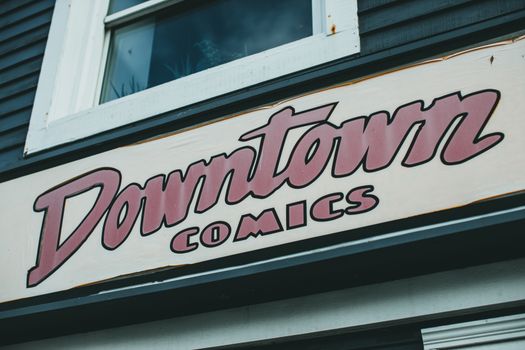
If you already have a website and the branding is the problem
Then the question flips. Do not spend money on a logo to fix a site that has structural issues. Broken links, thin copy, no clear next step, and slow pages will undercut any mark you put on top of them. Find out what is actually wrong first, then decide where the money goes.
I built a free twelve question self audit for exactly this. It is called Grade My Website and it lives at divitacreative.com/grade-my-website. You get a score and a short list of what to fix first. That list often has nothing to do with your logo.
Frequently Asked Questions
Can I launch a website without any logo at all?
Yes. Image logos are optional on many platforms, and the header will fall back to your site title. Use your business name in a clean typeface and it reads as intentional. Plenty of working small business sites have never had a mark in the header. Launch, then upgrade when you have the budget and the clarity.
Should the logo come before the website copy?
No, and this is the part most people get backwards. Name and positioning come first, then core colors and fonts, then the logo. If you write the copy first, the logo gets easier because you know what the business actually sounds like. Copy also tells you more about your customer than any mood board will.
What size should a logo be for a website?
Exact dimensions usually are not required. Upload guidance on at least one major platform says to match the image height to how you want it to display, and the site handles the rest. What matters more is a clean file, plenty of space around the mark, and a version that works on both light and dark backgrounds.
Will I have to redo the website if I change my logo later?
You will change the header image and the site icon, and maybe the social preview images. That is small work, not a rebuild. The parts of a site that are expensive to redo are the structure and the copy. A logo swap is a light touch by comparison, which is why launching first is rarely a mistake.
What is the first step if I am not ready for either one?
Start with the free Brand + Business Snapshot at snapshot.tinadivita.com. It takes a few minutes and helps you sort your name, your customer, and your next move before you spend anything on design. That clarity makes both the logo and the website faster to build, whether you work with me or someone else.